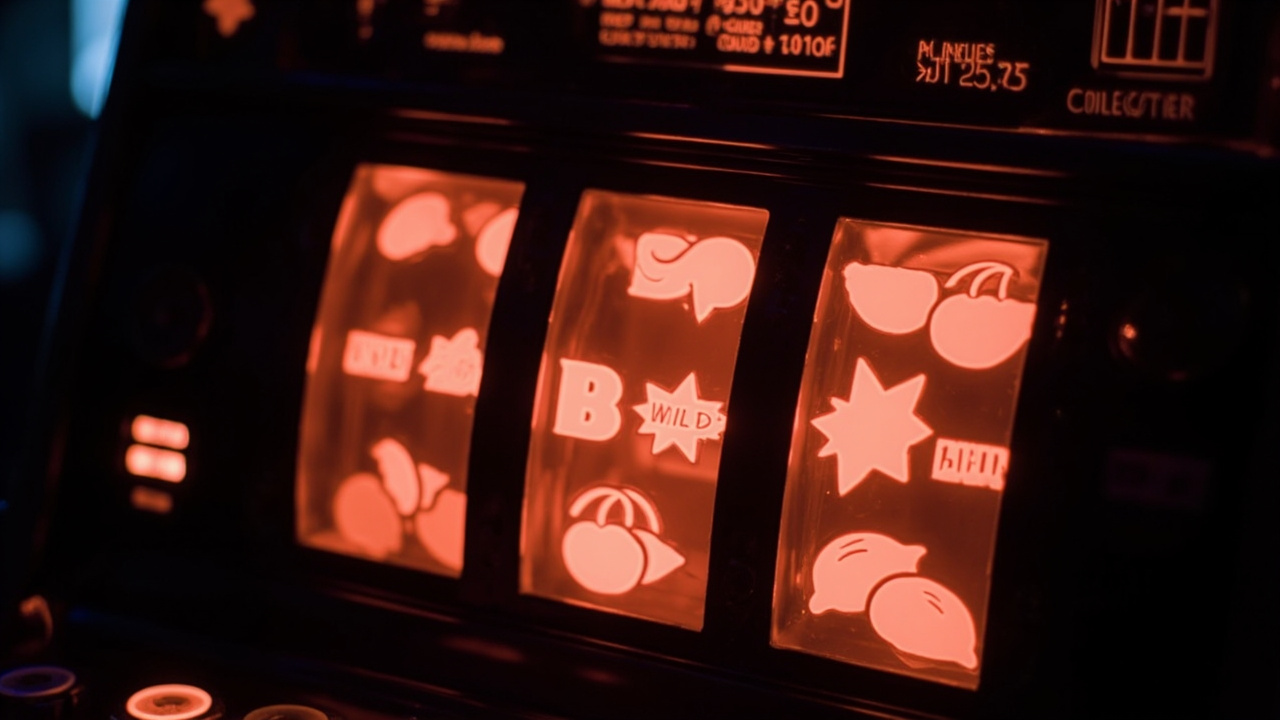

Most players spend their first twenty minutes chasing the welcome bonus, then wonder where the value went once the playthrough is over. That’s the wrong way to size up a venue. In my work tuning slot maths and retention curves, I’ve watched players who treat comps as a long game consistently extract more than headline chasers. These casino comps tips walk through what happens after the door-in deal and how to measure it properly.
Walking In: What Comp Points Actually Track

After registering and making your first deposit, the loyalty counter starts ticking in the background. A typical arrangement credits points at roughly one per dollar wagered on pokies, with table games earning at a slower pace – often a tenth of that rate. From a maths perspective, that’s not generosity; it’s an instrumented funnel. The operator knows the house edge on a given pokie is fixed, often in the 3-6% band, so a 0.1% return in comps barely dents the long-term loss. What it does do is shape behaviour.
The practical move is to find the conversion chart before you play a single spin. A venue running 100 points to a dollar at 1,000 points redeemed versus 500 points to a dollar at 5,000 changes the effective comp yield by roughly a quarter. Players who track this, rather than the latest flash promo, are the ones who actually walk out with surplus value. Many pokies use a musical key, often C major, tuned to feel rewarding even when the math behind the bonus rounds is standard. Recognise the soundtrack, then read the ledger.
In Cairns, Reef Casino sits as the physical reference point for anyone touring the Great Barrier Reef region – a real-world reminder that comps have always been a layered system of rooms, meals, and event invitations layered over points. Online, the same logic applies; just instrumented. For the running list of Australian-facing promos, ozwincodes.net keeps a current snapshot worth checking weekly.
| Key fact | Typical spec |
|---|---|
| Base comp rate | ~1 pt per $1 wagered |
| Standard conversion | 100 pts = $1 cash |
| Tier ladder | 4-6 levels, Bronze → VIP |
| Cashback range | 5-15% on net losses |
| Reload playthrough | 30-40x bonus amount |
Spending Smart: Tournaments, Cashback and Repeat Promos
Once the welcome offer is dust, three recurring levers actually carry weight. Daily or weekend tournaments, cashback windows, and reload bonuses are the trio worth tracking. Tournaments reward volume during a fixed window – top X players share a prize pool – so the edge comes from timing your sessions rather than chasing any one game. Cashback is the cleanest instrument: 5-15% returned on net losses, credited as withdrawable cash or bonus funds depending on the venue’s terms. The maths is straightforward; a 10% cashback on a pokie with a 4% house edge effectively brings that edge down to 3.6%. Modest on paper, real in the ledger.
Reload bonuses are where most players misread the room. A 50% match up to a small ceiling looks generous, but a 35x wagering requirement on the bonus amount buries the value. Compare that against a flat 25 free spins on a 96.5% RTP title – the latter usually pays better. For anyone scoping best Australian pokie platforms reviewed across the broader market, the consistency of the recurring calendar matters more than any single headline number.
Finally, calendar events – public holidays, footy finals, race days – are when venues lean hardest on retention. That’s when cashback thresholds drop and tournament prize pools balloon. Reckon your best weeks around those windows, and the comps maths starts compounding in your favour.
Working The Tier: From Bronze Pit To VIP Lounge
The loyalty ladder is where most casual players leave real money on the table. Tiered programmes typically run four to six levels, from Bronze or Silver through Platinum and a private VIP tier. The jump between adjacent levels is rarely linear – moving from Gold to Platinum might require five times the points of the previous step, while unlocking a personal account manager, faster withdrawals, and bespoke bonus offers. That’s the asymmetry worth chasing.
From a design perspective, tier escalators are deliberately weighted so that most players hover at Silver or Gold. As a slot designer, I’d structure the early tiers to feel rewarding and the upper tiers to feel aspirational – the same trick that keeps pokies engaging through variable-ratio reinforcement. The honest judgement call: if you’re not crossing a meaningful tier threshold within three months of normal play, the programme isn’t built for your volume. Move on.

What to demand from a top tier: a real comp-to-cash rate (not bonus-credit rate), priority withdrawals measured in hours rather than days, and at least one annual event invitation. The best programmes I’ve modelled on paper also include loss-back at a flat rate across all play, not just slots. If a venue structures comps as a pure pokie instrument, the value calc shifts; table players and live-dealer fans should account for that explicitly. Finally, a structural reminder: the house always wins reflects the mathematical certainty of the built-in edge, and no comp scheme inverts that. What good comps do is compress the gap between expected loss and realised spend – defo useful, never magic.
Treat comps as the schedule, not the surprise. Track conversion rates, time your play around tournaments, and escalate your tier through volume rather than chasing a single bonus. If the maths doesn’t compound across a quarter, the venue isn’t built for you. No worries if it takes a few tries to find the right fit – the value is in the consistency.